

La cordillera de Malkhan es uno de esos lugares. Durante décadas se ha asociado con algunas de las mejores turmalinas rojo frambuesa jamás descubiertas, piedras cuyo color y calidad cristalina siguen siendo una referencia dentro del comercio de gemas.
Fuera de los círculos profesionales, el nombre rara vez se reconoce. Dentro del comercio gemológico, sin embargo, evoca de inmediato rubelitas excepcionalmente saturadas, indicolitas vivas, aguamarinas, topacios y una amplia variedad de especies minerales raras que han hecho famosa a la localidad entre coleccionistas y museos.
Malkhan es especialmente conocida por sus turmalinas rojo frambuesa y carmesí, cuyo color se ha convertido en un punto de referencia para especialistas. Las piedras de esta localidad suelen reconocerse a primera vista, no porque compartan una única apariencia, sino porque los mejores ejemplares combinan un tono rojo inusualmente puro con una transparencia y una calidad cristalina excepcionales. Las turmalinas de Malkhan bien documentadas siguen despertando gran interés cada vez que aparecen en el mercado.
A medida que la oferta de rubíes finos se reduce y aumenta la demanda de gemas rojas de alta calidad, creo que las mejores turmalinas de Malkhan están adquiriendo una importancia creciente en el mercado de coleccionismo. Su combinación de procedencia, rareza y color excepcional las sitúa entre las gemas rojas más interesantes disponibles hoy.
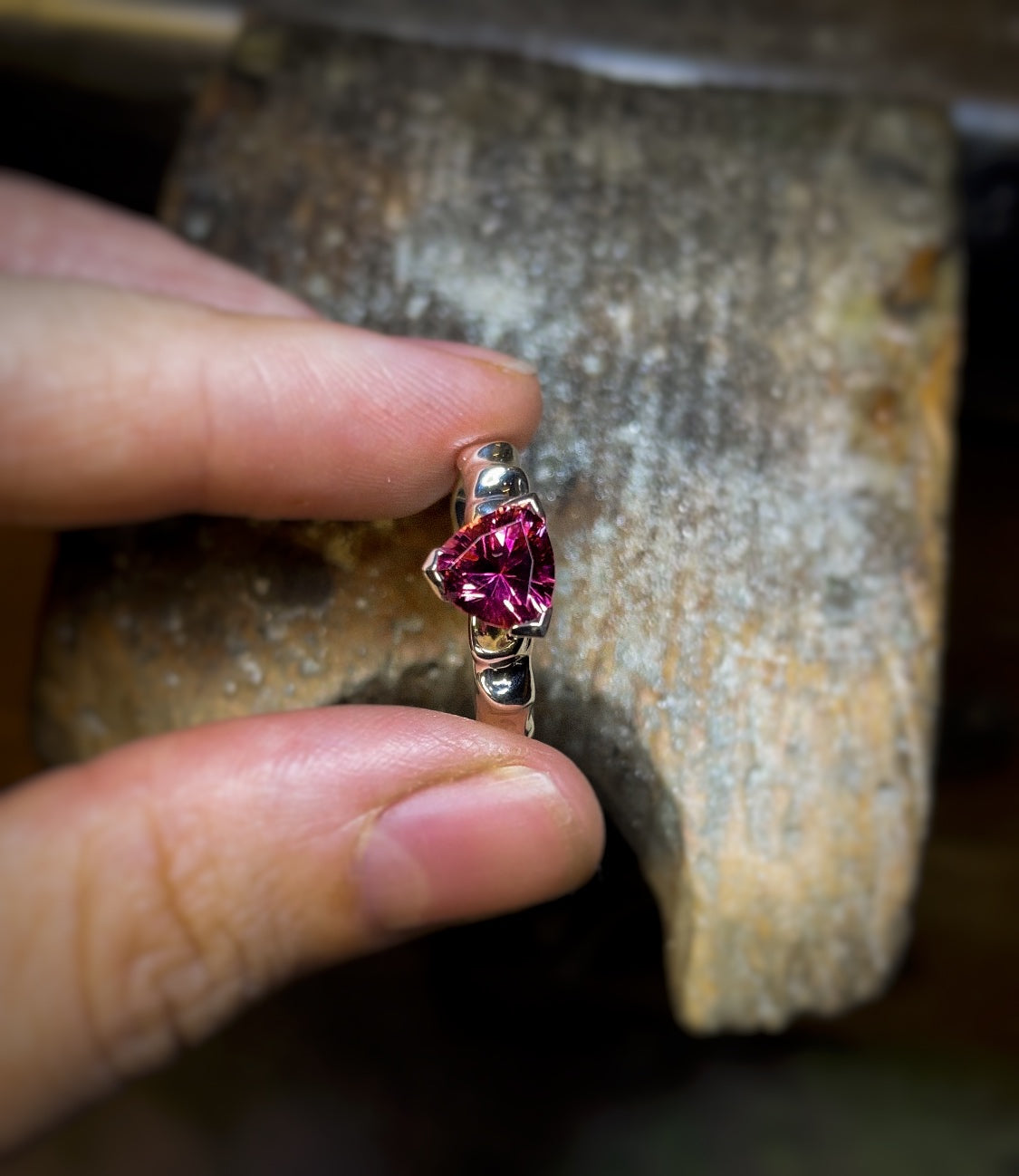
Las condiciones geológicas que crearon estas gemas son igualmente notables. Las pegmatitas de Malkhan se formaron durante las fases finales de cristalización del granito, permitiendo que elementos raros como el litio, el boro y el cesio se concentraran en cantidades inusualmente altas. Estas condiciones produjeron una diversidad extraordinaria de minerales, incluidos cristales de turmalina de calidad gema que figuran entre los mejores jamás descubiertos.
Aunque la extracción ha continuado de forma intermitente desde que los depósitos se estudiaron en detalle por primera vez durante el siglo XX, el material fino nunca ha sido abundante. Como ocurre con muchas localidades gemológicas históricas, los mejores cristales entraron hace décadas en colecciones de museos o privadas, mientras que los ejemplares recién recuperados de calidad comparable siguen siendo poco comunes.
Hoy, las turmalinas de Malkhan aparecen con regularidad en las principales ferias de gemas y minerales del mundo, como Tucson, Múnich y Sainte-Marie-aux-Mines, donde la procedencia suele considerarse una parte importante del valor de un ejemplar. Los coleccionistas se interesan cada vez más no solo por el color y la pureza, sino también por el origen geológico de una gema, especialmente cuando procede de una localidad con una reputación consolidada.
Para los gemólogos, Malkhan representa algo más que un punto en el mapa. Es una de las localidades clásicas que ayudaron a dar forma a la comprensión moderna de la turmalina gema y sigue produciendo piedras con las que a menudo se compara el material de yacimientos más recientes.
